SCMT Insights | July 2026
AI Search Visibility Goes Beyond Your Website
For years, business owners have focused on one question: “How do I rank higher on Google?” Today, another question is becoming just as important: “Will AI recommend my business?”
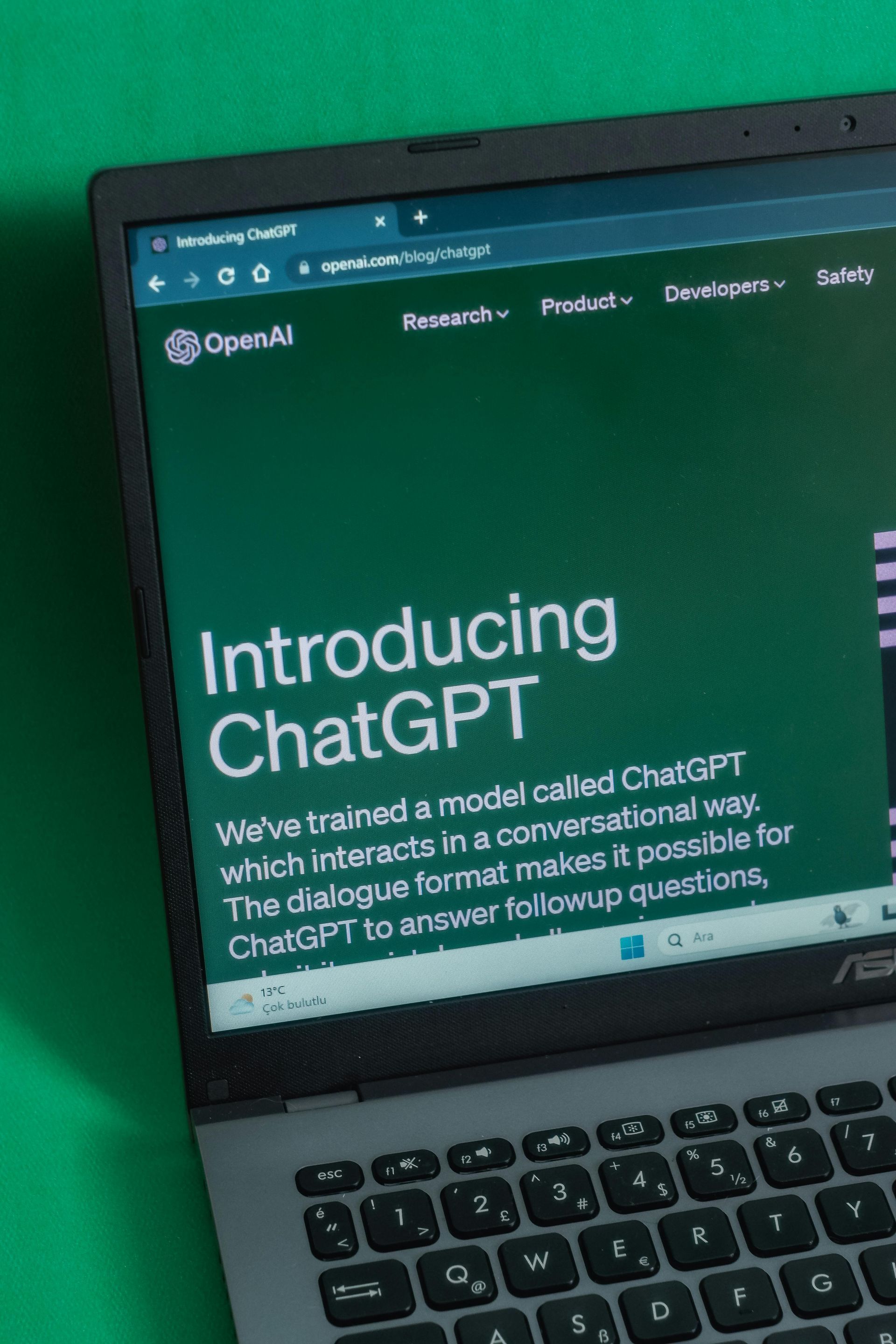
People are now using ChatGPT, Claude, Gemini, and other AI platforms to decide who to hire, where to shop, and which companies they can trust. Instead of reviewing page after page of websites, they can ask AI for a direct recommendation.
Every month in SCMT Insights, we will share observations from our AI visibility testing, discuss the changes we are watching, and explain what those developments may mean for businesses trying to remain visible online.
Meet the AI Class
If today’s largest AI platforms were students sitting together in a classroom, each one would probably have a distinct personality.
ChatGPT: The Popular Kid
The one almost everyone knows. It is conversational, approachable, and comfortable discussing nearly any subject.
Claude: The Nerd
Analytical, thoughtful, and especially strong when working through complicated writing, coding, and detailed information.
Gemini: The Artsy Kid
Creative, visual, and closely connected to Google’s larger ecosystem of search, images, information, and digital tools.
These are playful stereotypes, of course. Every platform continues to evolve, and their strengths increasingly overlap.
Despite their differences, they all have something important in common: people are no longer using AI only to answer questions. They are using it to choose businesses.
Search Has Become a Conversation
Traditional search followed a familiar process. Someone entered a keyword into Google, reviewed a list of websites, and decided which result appeared most relevant or trustworthy.
AI changes that experience. Instead of only returning links, an AI platform may summarize available information and directly recommend businesses that appear to fit the request.
That means the platform is not merely ranking webpages. It is attempting to understand actual businesses.
It must connect a company with its services, locations, experience, reputation, leadership, and areas of expertise. It must also determine whether enough reliable information exists to mention that company with confidence.
That is a different challenge from simply moving one page higher in traditional search results.
Your Website Is Still the Foundation
Your website still matters. It is where you explain your services, answer customer questions, demonstrate expertise, identify the areas you serve, and show why someone should consider your company.
A technically sound website with helpful content, semantic HTML, structured data, clear heading hierarchy, internal links, and strong service pages gives search engines and AI systems important information about the business.
None of that has become less important.
What appears to be changing is that your website may not be the only source influencing how AI understands your company.
AI Appears to Look Beyond Your Website
One pattern we have repeatedly observed during our testing is that AI platforms often appear to build confidence by connecting information from multiple places across the web, not only from a company’s own domain.
Those sources may include:
- Industry organizations and professional associations
- Established business directories
- Review platforms and local business profiles
- News publications and media coverage
- Award websites and community organizations
- Educational resources and expert contributions
- Government records and recognized public databases
A single mention does not tell the entire story. AI appears to develop a clearer understanding when multiple credible sources consistently connect a company with the same services, location, expertise, leadership, and reputation.
A Business Does Not Define Itself Alone
Any company can publish a website and describe itself as experienced, trustworthy, innovative, or highly qualified.
Those claims may be completely accurate, but they are still statements the business has published about itself.
Third-party references provide another layer of context. When an established organization lists your company, a publication features your expertise, customers consistently leave reviews, or a professional group recognizes your work, those sources provide outside confirmation.
Your website tells AI who you say you are. The rest of the web helps AI determine whether that story is consistently supported elsewhere.
This does not mean every directory is valuable or that businesses should try to appear on every website they can find. Relevance, accuracy, authority, and consistency matter more than the number of listings.
One Observation That Caught Our Attention
While testing AI-generated recommendations within our own industry, we noticed that several businesses were repeatedly associated with an older third-party industry resource.
The resource was established, but its category was no longer being regularly updated or opened to new listing requests.
That creates an imperfect situation. Newer agencies, growing companies, and businesses that have substantially expanded their expertise may have no direct path to being considered for that particular resource.
This does not mean the businesses already included are unqualified. It also does not mean they are automatically the best choice for every potential customer.
It simply illustrates that AI-generated recommendations are influenced by the information available to the platform. Older sources may continue shaping how an industry is understood even after the market has changed.
That is why a business should avoid depending on one directory, one publication, one review platform, or one traditional ranking to establish its authority online.
Think Beyond Rankings and Toward Understanding
For years, SEO discussions have centered on keyword rankings, clicks, impressions, and website traffic. Those measurements still matter.
AI search introduces another important question:
How clearly does the internet understand who your business is?
Ranking a webpage and understanding a business are related, but they are not exactly the same.
One focuses on the relevance and authority of a particular page. The other focuses on the company’s identity, the relationships connected to it, and whether information across the web supports a clear and consistent understanding.
What Is Entity Visibility?
At SC Marketing Technologies, we describe this broader concept as entity visibility.
Entity visibility is the process of helping search engines and AI systems connect the different pieces of information associated with a business.
Those pieces may include:
- The official business website
- Google Business Profile information
- Business name, address, and contact information
- Services, products, and locations served
- Founders, team members, and subject-matter experts
- Customer reviews and reputation signals
- Professional memberships and community involvement
- Awards, interviews, speaking engagements, and media coverage
- Structured data and connected schema entities
- Articles, guides, case studies, and original insights
Individually, each item tells only part of the story. Together, they can form a more complete and recognizable digital identity.
The goal is not simply to create more mentions. The goal is to help people, search engines, and AI platforms consistently understand who the business is, what it does, where it operates, and why it is credible.
Your Digital Presence Should Work as One Connected System
Many businesses manage every part of their online presence as a separate task.
The website is handled by one provider. Reviews are treated only as a customer-service responsibility. Business listings are completed once and forgotten. Social profiles operate separately. Awards, memberships, interviews, and community involvement may never be connected to the company’s larger search strategy.
AI search makes those relationships increasingly important.
Your website should explain what you do. Your business profiles should confirm it. Your reviews should support it. Your structured data should help machines connect it. Your third-party mentions should strengthen it.
Together, those signals create a more complete picture than any individual webpage can provide on its own.
AI Visibility Does Not Replace SEO
AI visibility should not be treated as a replacement for traditional SEO. It is an expansion of it.
Businesses still need fast, accessible websites. They still need helpful content, strong service pages, technical optimization, local visibility, internal linking, structured data, and trustworthy reputations.
Those elements help search engines understand individual pages and also contribute to the broader digital identity AI systems may use when evaluating a business.
The difference is that companies can no longer think only about optimizing isolated webpages. They must also consider whether their entire digital presence tells one clear, accurate, and well-supported story.
A Simple AI Visibility Exercise for Business Owners
Open ChatGPT and ask a question similar to one a potential customer might ask:
“Who would you recommend for [your service] in [your city]?”
Do not focus only on whether your company appears. Review the entire response.
Pay attention to:
- How the recommended businesses are described
- Which services or qualifications are emphasized
- Whether the locations mentioned are accurate
- Which outside sources appear to influence the answer
- Whether the businesses mentioned actually match the request
Repeat the exercise with different wording and across multiple AI platforms. Results may vary depending on the prompt, user location, available sources, platform updates, and the context of the conversation.
One response should not be treated as a permanent ranking. Patterns observed over time are more useful than one isolated result.
AI Recommendations Are Not Always Complete
AI platforms can be useful research tools, but their recommendations should not automatically be treated as complete, permanent, or independently verified rankings of the best businesses.
A company may be mentioned because it appears on an established resource, even when another provider offers more current expertise, more specialized services, or a stronger fit for the customer’s specific needs.
AI-generated answers can also change. A company that appears today may not appear next month, while a business absent from one answer may still have extensive experience and an excellent reputation.
Consumers should use AI recommendations as a starting point for additional research. Businesses should monitor them as one part of a larger search visibility strategy.
What We Are Watching as AI Search Evolves
No responsible SEO professional can honestly claim to know every internal factor used by ChatGPT, Claude, Gemini, or another AI platform.
These systems are proprietary, constantly changing, and influenced by numerous variables.
What we can do is test consistently, observe patterns, compare results, identify changes, and build strategies around the strongest evidence available.
At SC Marketing Technologies, we are continuing to monitor how businesses are mentioned, which sources appear to influence recommendations, and how websites, structured data, reputation signals, third-party authority, and entity relationships work together.
We are not treating AI search as the end of SEO. We are treating it as the next expansion of search.
This Month’s Takeaway
Your website remains the foundation of your online visibility, but it is not the only place where your business identity is being shaped.
Search engines and AI platforms appear to rely on a wider ecosystem of information to understand which companies are relevant, established, and credible.
Businesses should not depend on one ranking, one directory, one review platform, or one source of authority.
Long-term visibility comes from building a connected, accurate, and recognizable business entity across the places that matter.